
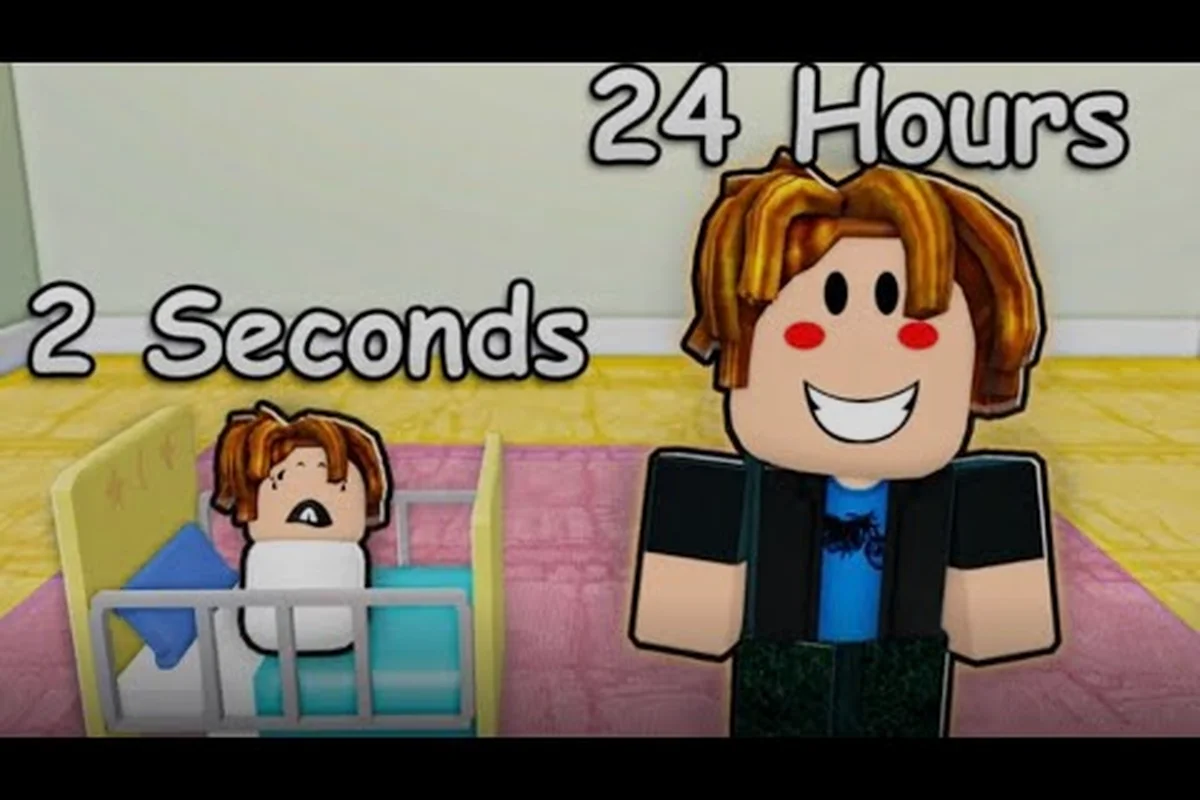
Successful baby care depends on recognizing needs before frustration develops. These Raise The Biggest Family baby simulator tips turn feeding, hygiene, play, and rest into a manageable routine for every child in your household. Watch the needs indicators rather than waiting for visible fussiness: a low hunger meter can signal that feeding is overdue, while the hygiene and play meters show when a bath or interaction will prevent mood loss. Rotating between these activities also matters, because meeting one need at the expense of another can leave a baby’s happiness unstable; for example, feed an infant promptly, then schedule playtime and a diaper check before rest becomes the next priority.
Understanding the Care Loop
Understanding the care loop is the foundation of Raise The Biggest Family baby simulator tips. Each child communicates through visible needs, and meeting those needs promptly keeps daily care predictable. The practical goal is not to hover over a single baby; it is to create a repeatable system that still works when several children need attention at once.
Read Needs Before Mood Changes
Players report that the clearest pattern is to act before a child’s mood visibly deteriorates. Watch the on-screen need indicators and the child’s behavior rather than waiting for a louder reaction. A baby who needs feeding, a nap, hygiene, or attention may show restlessness first, and addressing that early signal often prevents a cascading problem.
| Care signal | Likely need | Best first response | Avoid |
|---|---|---|---|
| Restlessness near feeding time | Food | Prepare a bottle or meal | Waiting for repeated crying |
| Low energy during play | Rest | Move the child toward a safe sleep area | Forcing another activity |
| Messy appearance or smell | Hygiene | Begin a bath and clean-up | Ignoring the issue |
| Disengagement from play | Attention or play | Interact with a favorite item | Leaving the child alone |
| Sudden mood change | Multiple needs | Check food, hygiene, and energy together | Treating every signal as one need |
These Raise The Biggest Family baby care mechanics are not limited to one choice. The best response depends on what the interface is showing and what your child was doing immediately beforehand. Record two or three details together, because simultaneous needs often look like a single problem when viewed too quickly.
A Stable Cycle That Reduces Waste
A stable cycle reduces wasted time and makes it easier to notice what changed. Begin by checking every child’s needs, then address urgent physical requirements, followed by hygiene, play, and a final food-and-rest review. This sequence prioritizes needs that can quickly worsen while leaving attention and play flexible enough for your household’s schedule.
Use the baby care overview to organize feeding, bathing, and other essential tasks. The most useful routine is not the longest one; it is one you can complete without skipping children whose indicators are changing while you handle another baby.
Separate Immediate Care From Maintenance
Some actions restore a need immediately, while others protect against future problems. Feeding addresses current hunger. Play supports mood and attention. Bathing removes immediate mess and supports hygiene. Putting a baby to sleep prevents fatigue from turning into a difficult next task. Recognizing this distinction keeps you from repeatedly using one action for every problem.
| Action type | Main purpose | Best timing | Long-term benefit |
|---|---|---|---|
| Feeding | Restores hunger | When the food indicator declines | Fewer avoidable hunger episodes |
| Bathing | Resets hygiene | After a visible hygiene issue | Keeps care routines cleaner |
| Play | Improves mood and attention | During alert periods | Builds a positive interaction loop |
| Rest | Restores energy | When movement and responsiveness decline | Reduces overtiredness |
| Item use | Supports a specific need | When a required item appears useful | Conserves time compared with repeated actions |
Focus on Dependable Attention
A successful routine is less about perfect timing and more about dependable attention. When several children are active, assign a simple order and revisit each one after completing an action elsewhere. This approach keeps the household stable while preventing one demanding baby from monopolizing your attention.
Triage Multiple Babies
Start with the child whose needs cannot wait, such as serious hunger, fatigue, or hygiene trouble. Finish the action quickly, then scan the others again because conditions can change while you are occupied. Priority rotation matters more than perfect task order, since a waiting baby may become the next emergency after only one short task.
| Household situation | First priority | Second priority | Best strategy |
|---|---|---|---|
| Two hungry babies | Feed the first child | Feed the second child | Prepare both items before starting |
| One messy, one playful | Handle the hygiene need | Return to play | Use the wait for the bath to reset mood |
| Several tired children | Put down the most fatigued | Settle the others | Work from the room to the sleep area |
| Unclear mood signals | Check needs individually | Compare indicators | Avoid making assumptions from one glance |
For a broader look at handling a growing household, the care for multiple children guide offers useful context on food, hygiene, and item use. Apply that guidance by checking each child’s indicators instead of assuming identical babies will react identically.
Use a Four-Part Care Pass
A short care pass can prevent neglected needs from overlapping: when one baby’s hunger meter is dropping, another’s hygiene or energy may be worsening unnoticed. In Raise The Biggest Family, check the family’s current needs, address the most urgent requirement, and confirm that the next child’s food, hygiene, energy, and mood indicators remain stable before moving on. This prioritization reduces overlapping care problems while keeping attention focused as the family grows.
-
Scan: Review every child’s food, hygiene, energy, and mood indicators.
-
Stabilize: Resolve hunger, fatigue, or hygiene before starting optional activities.
-
Engage: Use play and attention when the child is alert and receptive.
-
Recheck: Look again before ending, because another child may have changed while you were working.
This care-pass cycle becomes the backbone of effective Raise The Biggest Family baby simulator strategy, especially once one baby’s hunger, hygiene, energy, and mood timers begin competing for your attention. For example, feed a baby whose food meter is dropping before starting play with an alert sibling; otherwise, the neglected baby may become tired or distressed during the activity. With a larger family, rotating through Scan, Stabilize, Engage, and Recheck preserves the best available play opportunity without sacrificing another child’s basic needs.
Prepare Before Care Becomes Urgent
Preparation is a practical way to reduce wasted effort. Keep commonly used supplies accessible, confirm that a child’s immediate requirement appears in the interface, and avoid starting a long interaction when another baby has an obvious urgent signal. This matters because preparation time can be the difference between resolving two needs quickly and losing momentum across the household.
| Situation | Prepare first | Why it helps |
|---|---|---|
| Several feeding times approach | Food for each child | Reduces waiting while bottles or meals are prepared |
| Several children appear dirty | Towels and hygiene items | Keeps clean-up efficient |
| A baby becomes tired | Sleep area and bedtime routine | Reduces resistance during transition |
| Free time opens up | Play items for each child | Prevents one child from monopolizing attention |
Raising Through Small Corrections
Raising a baby is a sequence of small corrections rather than a single perfect action. Food, sleep, cleanliness, and attention influence one another, so a problem in one area may appear as fussiness in another. This Raise The Biggest Family raising a baby guide focuses on diagnosis before action.
Match the Problem to the Right Response
Incorrect responses waste time and can make the situation feel worse. If a baby is tired, another round of energetic play may not solve it. If hunger is the real issue, changing toys may provide only a temporary distraction. Begin with the most obvious indicator, then confirm whether another need is also present.
| Apparent behavior | Check first | Confirm with second | Best correction |
|---|---|---|---|
| Fussiness | Food | Energy | Feed if hungry, then offer rest |
| Refusal to play | Energy | Mood | Settle tired child before expecting engagement |
| Sudden mess | Hygiene | Food | Clean first, then check whether a meal is needed |
| Wants constant attention | Mood | Play items | Respond directly and offer a suitable activity |
| Dull movement | Rest | Hygiene | Put the baby down and clear any hygiene issue |
These Raise The Biggest Family parenting simulator tips are based on the care relationship between visible indicators and behavior. Since the game’s balance can change with updates, treat the interface as the final authority when a signal differs from your normal pattern.
Learn Each Baby’s Baseline
Not every baby displays needs in the same order or with the same intensity. Watch a child for a short period and note their baseline behavior. One baby may show tiredness through stillness, while another becomes restless. Comparing a current reaction with that child’s usual behavior makes it easier to identify a real change.
Record three observations in your own notes: the alert pattern shows when the child becomes ready for play and interaction, the recovery pattern shows what usually settles them after play or playtime, and the trigger pattern identifies which events tend to precede a poor reaction. For example, note whether fussiness follows feeding, noise, or a change in routine, and compare several episodes before treating that cue as dependable. These baseline notes make it easier to separate a temporary need from a recurring pattern and adjust your care routine accordingly.
-
Alert pattern: When the child is ready for play and interaction.
-
Recovery pattern: What usually settles the child after play or playtime.
-
Trigger pattern: Which events tend to precede a poor reaction.
Over time, this personal pattern becomes more useful than memorizing one universal routine for Raise The Biggest Family. By logging each child’s alert pattern, recovery pattern, and trigger pattern, you can forecast whether restlessness calls for feeding, a nap, or a quieter play session instead of applying the same fix every time. With multiple children present, this baseline comparison helps distinguish a temporary mood from a recurring need, so you can adjust needs in the correct order without accidentally reinforcing the wrong behavior.
Avoid Care Overload
Trying to perform every available interaction on every child creates unnecessary work. Choose actions that address a displayed need, then move on. Need-based care is more efficient than constantly using every option, and it leaves more room for the individual attention that keeps babies content.
The practical sequence is straightforward: scan the household for immediate baby-care needs, then resolve the highest-priority need before investing time in optional interactions. For example, if one baby is hungry and another only wants play, feeding the hungry baby first prevents hunger from reducing responsiveness during the next care action. This priority order keeps the family stable without requiring constant, unnecessary attention to every child.
| Priority | Action | Reason to act now |
|---|---|---|
| 1 | Feed a hungry child | Hunger can affect every later interaction |
| 2 | Clean a child with hygiene needs | Mess and discomfort limit play |
| 3 | Put down an exhausted child | Fatigue reduces responsiveness |
| 4 | Provide focused attention | Mood often improves through direct interaction |
| 5 | Add optional play | Useful when no urgent need is competing |
A good routine also leaves a buffer by prioritizing urgent needs without trying to satisfy every baby at the same instant. If a child becomes hungry, dirty, or exhausted while you are feeding another baby, the next scan may reveal a more demanding baby-care need and temporarily lower responsiveness during play or focused attention. Keeping this small reserve of time prevents one unexpected need from cascading into a household-wide care overload.
Raise The Biggest Family Baby Simulator Tips for Happy Babies
Happy babies respond to consistent attention more than extravagant setups. The best Raise The Biggest Family baby simulator tips are small habits that help you notice needs early, act confidently, and keep each child’s routine predictable. Think of them as a checklist for calm rather than a score chase.
Play When the Baby Is Rested
Play is most effective when the child is rested, fed, and reasonably clean. If a baby is hungry, play may only create resistance. If the child is exhausted, a new activity will not necessarily restore energy. Alert-state play is therefore more productive than forcing interaction through every visible option.
Use this simple decision sequence: check the baby’s current status first, then choose the corresponding care action instead of activating play automatically. For example, if the hunger or energy meters are falling, switch to feeding or rest before opening a play option; once the baby is alert, introduce play and focus attention. This state-based approach prevents unnecessary resistance and keeps each care action responsive to the baby’s changing needs.
-
If food is low, handle feeding first.
-
If hygiene is poor, clean the child before play.
-
If energy is depleted, arrange sleep.
-
If the child is alert and mood needs support, introduce play and direct attention.
These steps support the broader goal of learning how to keep babies happy, but responsiveness works best when the player watches for immediate feedback rather than trusting an assumed schedule. For example, if the hunger meter drops sharply during play, switch to feeding before mood or resistance indicators worsen; if the energy bar falls, begin sleep instead. This cause-and-effect check turns status meters and mood cues into reliable signals, making each care action more effective than repeatedly using a fixed play sequence.
Keep a Quick Troubleshooting Order
When you are unsure what is wrong, use this order: food, hygiene, energy, then mood. It is not a rule about how babies always feel; it is a practical way to eliminate clear physical requirements before interpreting an emotional signal.
| Check | Ask yourself | Action if the answer is yes |
|---|---|---|
| Food | Is the hunger indicator low? | Feed the child |
| Hygiene | Is the child visibly dirty? | Start clean-up |
| Energy | Is the child unusually passive? | Prepare sleep or rest |
| Mood | Do basic needs look satisfied? | Use attention or play |
The guide to keeping babies happy expands on mood management, common mistakes, and care checklists. Even with that support, the best results come from acting on the child’s current state rather than forcing a general routine onto everyone.
Learn From Small Corrections
You do not need to restart when a mistake occurs. Treat the child’s reaction as feedback. If play did not help, check food and energy. If the child remained restless during a bath, reconsider another need. If a successful action holds for several minutes, use that same sequence for the next similar situation.
| Observed result | Likely lesson | Future adjustment |
|---|---|---|
| Baby calms after feeding | Hunger was the main driver | Check food earlier |
| Bath ends resistance | Hygiene was interfering | Clean before play |
| Play restores mood | The baby was alert and comfortable | Schedule short engagement periods |
| Rest improves responsiveness | Fatigue was affecting behavior | Watch energy before demanding activity |
These adjustments are the heart of Raise The Biggest Family baby simulator tips: diagnose the active need, respond with the matching care action, observe the baby’s mood and responsiveness, then adjust the next interaction. For example, if feeding ends crying but low energy remains, follow it with rest rather than forcing play. Over time, this cause-and-effect feedback loop becomes faster than memorizing a fixed schedule, helping you raise the biggest family by keeping babies happy with fewer repeated mistakes.
Raise The Biggest Family Parenting Simulator Tips for Busy Households
Parenting becomes difficult when every demand feels equally urgent. A practical system reduces decision fatigue by grouping care into predictable passes and separating essential needs from optional enrichment. These Raise The Biggest Family parenting simulator tips focus on household management rather than individual tasks alone.
Use a Care Queue
Whenever you notice a need, place it mentally into one of three groups: urgent, next, and optional. Urgent includes clear hunger, hygiene, or severe fatigue. Next covers needs that should be addressed soon but are not escalating. Optional activities can wait until the physical needs of all children are stable.
This queue prevents a common problem: spending too long on a pleasant interaction while another child’s indicator deteriorates. For example, if one baby is happily playing while another’s hunger or fatigue warning is worsening, check the changing indicators first and switch care tasks before the delay creates a larger problem. The exact priority may vary because each child’s needs change in real time, but the method remains effective because it compares current conditions across the family rather than following one child’s activity until it ends.
Rotate Attention Without Ignoring Anyone
Direct attention is valuable, but it does not need to last equally long for every child. Give each child a focused interaction when they are receptive, then rotate according to need. Older or more independent children may need less immediate interaction, while a distressed baby may need a longer care pass.
| Care pattern | Advantage | Limitation | Best adjustment |
|---|---|---|---|
| One child at a time | Focused and easy to monitor | Others wait | Scan them after every task |
| Simultaneous play | Engaging for a short period | Needs may go unnoticed | Use only when everyone is calm |
| Alternating care | Keeps attention distributed | Requires organization | Maintain a simple queue |
| Short frequent checks | Catches changes early | Can feel repetitive | Batch checks during natural pauses |
A short planning session can also reveal whether your available items match each child’s current requirements. If the family is stretched for money, the beginner money and gems guide can help you plan around essential care purchases instead of spending immediately on decorative upgrades.
Protect Rest and Reset Periods
A short reset between demanding tasks prevents your attention from becoming erratic. Pause after a difficult clean-up, check which indicators changed, and begin again with the most urgent child. This method also makes it easier to notice whether one action caused an unexpected reaction.
| Reset step | Duration | Purpose |
|---|---|---|
| Look | A few seconds | Scan all children’s indicators |
| Decide | A few seconds | Rank the next need |
| Act | One focused care action | Restore the child’s immediate state |
| Recheck | A few seconds | Prevent missed changes |
Do not interpret a short pause as lost progress. Consistent corrections are what prevent one unresolved need from affecting the rest of the household. The right rhythm is the one that keeps the whole family moving, not the one that looks busiest on screen.
Build a Care Routine That Improves With Practice
The most useful Raise The Biggest Family baby simulator tips combine observation with a simple sequence: check food, hygiene, and energy; meet urgent needs; then provide attention and play. Rechecking children after every task is what turns that sequence into reliable care.
Start with one short household scan, assign each baby’s most immediate requirement, and work through the list in priority order. If something goes wrong, use the child’s response to refine the next decision. This approach keeps the focus on raising a baby guide for real gameplay: fewer neglected needs, clearer priorities, and a calmer routine for every child in the family.
Frequently Asked Questions
What is the most important baby care tip in Raise The Biggest Family?
The most important habit is to check each child’s needs before starting another task. Food, hygiene, fatigue, and mood can overlap, so a quick scan prevents you from responding to the wrong problem. Recheck after every care action because another baby’s indicators may change while you are occupied.
How can I keep babies happy while caring for several children?
Use a three-level queue: urgent needs first, upcoming needs second, and optional play last. Give each child focused attention, then rotate when another baby develops a clear physical need. The multiple-child care guide can help you organize food, hygiene, and play without treating every baby identically.
Should I feed, bathe, or play with a baby first?
Begin with the clearest basic need. Feed a hungry child, clean a child with hygiene problems, or settle an exhausted child before expecting play. If all basic needs look satisfactory, direct attention and play are more likely to work. Repeating play while a physical need remains unresolved often produces temporary rather than lasting improvement.
What should I do when a baby’s mood suddenly changes?
Check food, hygiene, and energy before assuming the mood signal is isolated. A sudden change may be the visible result of a physical need that has been building. After addressing the most likely cause, give the child another brief check. If the reaction continues, compare it with that baby’s normal pattern and adjust your routine.
How do I avoid common parenting mistakes in the baby simulator?
Avoid giving every baby identical treatment, waiting for a severe reaction, and spending time on optional activities while another child needs urgent care. Check the interface, act on the clearest requirement, and reassess after each task. The happy-baby checklist is useful for catching missed needs and repetitive mistakes.